5 Coffee Trends Worth Trying in 2026 (What They Are and How to Start)
This post may contain affiliate links. See our disclosure policy for details.
The coffee world moves fast. Every year there are new brewing techniques, new flavor combinations, and new ways of thinking about what coffee can be. Some of them are gimmicks that fade in six months. Others are signals of a real shift in how people drink coffee. Here are five trends that are genuinely worth your attention in 2026 — with context on where each one came from, why it matters, and how to try it yourself.
1. Anaerobic and Experimental Fermentation Processing
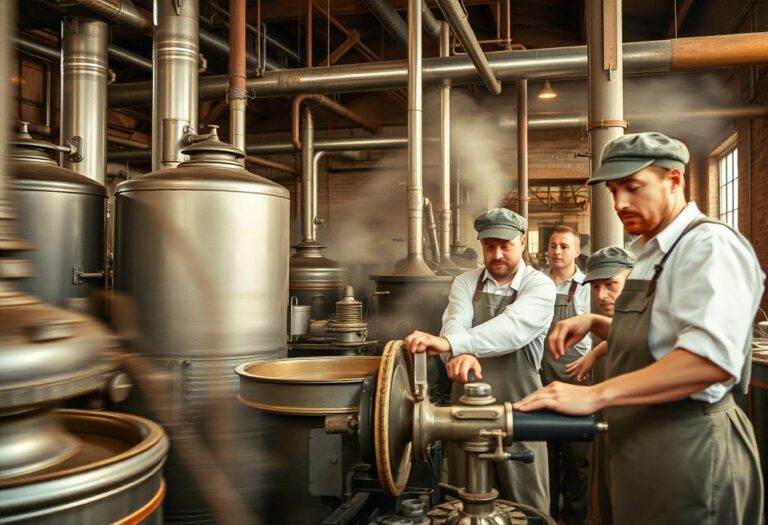
What it is: Coffee processing refers to how the coffee cherry is handled after harvesting to extract the bean inside. Traditional methods include washed (the fruit is removed before drying) and natural (the bean dries inside the fruit). Anaerobic processing ferments coffee cherries in sealed, oxygen-free tanks — a relatively recent innovation (widely adopted in the specialty market around 2018–2022) that allows producers to control fermentation variables and create intensely distinctive flavors.
Why it matters: Anaerobic fermentation can produce flavor profiles that have almost no precedent in traditional coffee — fermenty, wine-like, tropical fruit-forward, occasionally polarizing. These coffees are often described as tasting like “boozy fruits” or “wine and espresso” in the same cup. Producers like La Palma y El Tucán (Colombia), Ninety Plus Coffee, and various Ethiopian farms have been pioneering increasingly experimental fermentation processes that create coffee tasting notes coffee had no business producing 10 years ago.
How to try it: Look for bags labeled “anaerobic,” “extended fermentation,” “carbonic maceration,” or “experimental process.” Onyx Coffee Lab, Rosso Coffee (Calgary), and Tim Wendelboe (Oslo) all regularly stock experimentally processed coffees. Expect to pay $25–45+ for single bags — these are high-cost, low-yield productions. Brew as pour-over or AeroPress to highlight the distinct flavors.
Is it a gimmick? Partly. Some anaerobic coffees are extraordinary. Others are just strange. The best way to evaluate: try a few and see if the flavor complexity is appealing to you or whether it reads as “off.”
2. Coffee Tonic — The Iced Drink That’s Still Growing
What it is: Coffee tonic is espresso poured over tonic water and ice. That’s it. The interaction between the slightly sweet, quinine-bitter tonic and the bold espresso creates a refreshing, sparkling, amber-layered drink that doesn’t taste like either ingredient alone — it’s something genuinely new.
Why it matters: It’s been on specialty café menus in Scandinavia and Australia since around 2015, but 2024–2026 has seen it go properly mainstream in North American specialty cafés. It represents a broader trend of espresso being treated as a mixology ingredient rather than just a morning drink — overlapping with cocktail culture.
How to make it at home:
- Fill a 12oz glass with ice
- Pour 150ml of premium tonic water (Fever-Tree Indian Tonic or Q Tonic — the quality of the tonic matters significantly)
- Pull 1–2 shots of espresso and pour gently over the top — pour slowly over a spoon to create a layered effect
- Optional: a strip of lemon zest or a slice of orange
Best beans for this: A medium-roast with fruity or citrusy notes works best — Ethiopian or Kenyan single origins complement the tonic’s bitterness beautifully. Avoid very dark roasts — they clash with the tonic. Counter Culture Apollo or any light-medium Ethiopian washed bean are excellent here.
Cost: Fever-Tree Tonic 4-pack runs $5–7 at most supermarkets. This is genuinely the most impressive café-style iced drink you can make at home for under $2.
3. Specialty Ready-to-Drink (RTD) Coffee — Shelf-Stable Quality
What it is: RTD (ready-to-drink) coffee has existed for decades — think Frappuccinos in a bottle — but the quality gap between canned coffee and café coffee has closed dramatically in 2024–2026. High-end roasters and new independent brands are producing canned coffee that’s genuinely excellent.
Why it matters: The RTD coffee market was valued at approximately $30 billion globally in 2024 and continues growing rapidly. More importantly, the quality bar has risen: brands like La Colombe Draft Latte, Minor Figures Oat Latte, and High Brew Coffee are producing products that compete favorably with café-made versions on taste.
Best products in 2026:
- La Colombe Pure Black Draft Latte ($4–5/can, at Whole Foods and Target) — Nitro-infused espresso and ultra-creamy oat or dairy milk. The nitro texture genuinely rivals a café nitro latte.
- Minor Figures Oat Latte ($4–5/can) — A British brand that’s recently expanded in the US. Clean, well-balanced, and made with specialty-grade coffee.
- Canned Stumptown Cold Brew ($4–5/can) — The benchmark ready-to-drink cold brew, available nationally.
- Trade Coffee RTD lineup — Trade’s subscription service has expanded into RTD products using their partner roasters’ beans.
The trade-off: Premium RTD cans cost $4–5 each — equivalent to or more than a café drink. The convenience is the value proposition, not cost savings.
4. The Butter/Fat Coffee Revival (Biohacker Edition)
What it is: “Bulletproof Coffee” — coffee blended with grass-fed butter and MCT oil — was the original fat coffee trend popularized by Dave Asprey around 2013. That specific movement faded, but fat-infused coffee has returned in a more nuanced form in 2025–2026, particularly among the biohacker and longevity communities.
The current iteration includes:
- Grass-fed ghee or butter blended into coffee (still popular)
- MCT oil or C8 caprylic acid (a specific MCT) added to coffee for sustained energy
- Heavy cream added to espresso as a “coffee with cream” ritual (the simplest version)
- Collagen peptide powder dissolved in coffee for protein
The evidence: MCT oil does produce ketones that the brain can use for fuel, and several studies show improved cognitive performance and sustained energy from MCT supplementation. The effect on blood lipids is complex and individual — some people see improved HDL; others see elevated LDL. If you’re interested in trying fat coffee, consult your doctor and get a lipid panel before and after 6 weeks to evaluate your personal response.
How to try it: Start simple — add 1 tablespoon of grass-fed butter (Kerrygold, $4–5 at any grocery store) to a cup of strong coffee and blend with an immersion blender for 20–30 seconds until frothy. Alternatively, add 1 tsp of MCT oil to start (Sports Research C8 MCT Oil is well-regarded, $25–30/16oz). Start with small amounts — MCT oil at full dose on an empty stomach commonly causes GI distress.
Best coffee for this: Robust medium to dark roast that can hold its own against the fat. Light roast gets overwhelmed. Peet’s Major Dickason’s or any bold Sumatran roast work well.
5. Specialty Coffee Subscriptions — The Algorithmic Curation Era
What it is: Coffee subscription services have existed for years, but the current generation has become significantly more sophisticated — using taste quizzes, brewing method data, and past preference feedback to algorithmically match subscribers with ideal coffees from a network of specialty roasters.
Why it matters: The typical specialty coffee consumer has limited access to the full range of quality roasters available nationally. Most people drink coffee from 2–3 local roasters or the same supermarket brand indefinitely. Subscription services like Trade Coffee (50+ roaster partners), Atlas Coffee Club (single-origin world tour), and Mistobox (600+ coffees) have genuinely democratized access to excellent specialty coffee anywhere in the US.
The best services in 2026:
- Trade Coffee (drinktrade.com, $15–20/bag + subscription discount) — Best for personalized matching from a wide roaster network. Their taste algorithm is genuinely good.
- Atlas Coffee Club ($14–20/bag) — If you want to explore single-origin coffees from different countries each month. Each shipment includes a postcard and tasting notes about the origin. Great for coffee education.
- Mistobox ($15–20/bag) — Largest catalog of any subscription service (600+ coffees). Best for experienced coffee drinkers who want maximum variety.
- Counter Culture Direct (counterculturecoffee.com, $17–20/bag) — If you’ve already decided Counter Culture is your roaster, their direct subscription gives you the freshest beans and best pricing.
Pro tip: Use subscription services as a discovery tool for 6–12 months to identify which origins, processes, and roasters you prefer. Then you can buy directly from your favorite roasters at slightly lower prices and with more control.
Trends to Watch (But Not Ready to Try Yet)
| Emerging Trend | Status in 2026 | Worth Trying Now? |
|---|---|---|
| Coffee cascara (dried coffee cherry tea) | Growing, specialty-only | Yes — easy to find online |
| Coffee wine (fermented coffee cherry) | Very early stage, niche | If you’re adventurous |
| Zero-waste coffee (cascara + grounds utilization) | Growing in sustainability-focused cafés | Yes — use grounds in baking |
| Lab-grown coffee (molecular coffee without beans) | Research stage (Atomo Coffee et al.) | Not yet commercially viable |
Frequently Asked Questions About Coffee Trends
What is the biggest coffee trend of 2026?
If forced to pick one: specialty RTD (ready-to-drink) coffee. The quality has crossed a threshold where canned coffee from brands like La Colombe and Minor Figures is genuinely café-quality, and the growth in this segment has been explosive. It’s transforming how people access specialty coffee — removing the need for equipment, skill, or a nearby quality café.
Is the coffee tonic sweet or bitter?
It’s neither in the way you’d expect. Tonic water has a distinctive bitter note from quinine and a gentle sweetness. When combined with espresso, the quinine’s bitterness interacts with the coffee’s bitterness in a way that actually makes both seem less bitter — they partially cancel each other out. The overall impression is refreshing, slightly citrusy, and effervescent. Most people who try it expect to dislike it and are surprised when they do. The sweetness level depends entirely on which tonic you use — Fever-Tree is less sweet than most; supermarket tonic is quite sweet.
How do I know if a coffee trend is worth trying vs. just marketing?
Ask one question: does the trend change the actual flavor or experience of the coffee, or does it just change the packaging/positioning? Anaerobic fermentation genuinely produces different flavor compounds — worth trying. A “probiotic coffee” that claims health benefits from adding lactobacillus to instant coffee — that’s marketing until proven otherwise. The trends worth taking seriously are the ones that either (1) originate from the specialty/competition coffee world before going mainstream, or (2) have legitimate scientific mechanisms behind the claims. Trends that start with influencer marketing first are worth more skepticism.
Final Thoughts
2026 is an exciting time to be a coffee drinker. The quality floor across the entire market has risen — even supermarket coffee is better than it was a decade ago, and specialty coffee is more accessible via subscriptions and high-quality RTD options than ever before. The ceiling keeps rising too: the experimental fermentation work being done by producers in Colombia, Ethiopia, and beyond is producing coffees that taste like nothing that existed five years ago.
My recommendation: try the coffee tonic first. It’s cheap, requires no special equipment, and it’s genuinely impressive. Then follow it with a Trade Coffee subscription if you want to explore what the current specialty coffee landscape has to offer.