How to Make Bulletproof Coffee and Why You Should
Bulletproof coffee divides the coffee world cleanly into two camps: people who think blending butter into their morning brew is brilliant, and people who think it sounds absolutely unhinged. Having tried it properly — with the right ingredients, the right ratio, and the right expectations — I can tell you it’s genuinely good. Whether the health claims hold up is a different conversation, but as a satisfying, energy-sustaining morning drink, it earns its place.
Here’s everything you need to know: what bulletproof coffee actually is, how to make it properly, why the blending step is non-negotiable, and what the science says about the fat-fueled morning routine.
What Is Bulletproof Coffee?
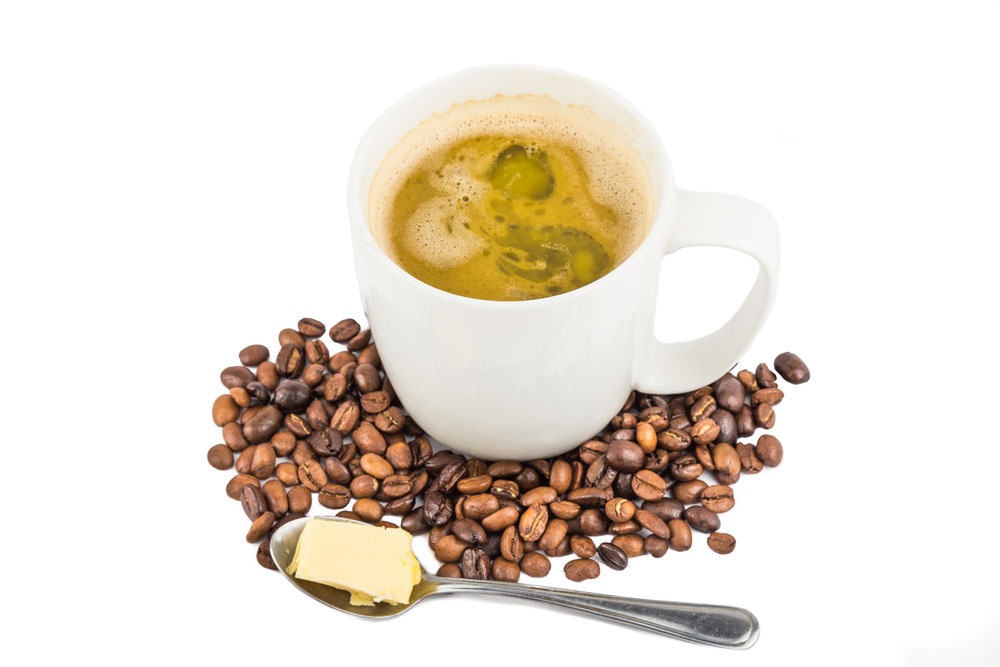
Bulletproof coffee — also called butter coffee or keto coffee — is a high-fat morning drink made by blending strong black coffee with unsalted grass-fed butter and MCT oil (medium-chain triglyceride oil). It was popularized by entrepreneur Dave Asprey around 2011, who claims he was inspired by drinking yak-butter tea in Tibet and then researching the cognitive effects of specific dietary fats.
The core idea is this: replacing a carbohydrate-heavy breakfast with fat provides a slower, more sustained energy release — no blood sugar spike, no mid-morning crash. Combined with coffee’s caffeine, the fat creates a prolonged state of alertness without the jitteriness that straight espresso on an empty stomach can trigger.
It became a foundational drink in ketogenic and low-carb diet communities, but you don’t need to be on keto to appreciate it. Many people simply drink it as a satisfying, creamy alternative to breakfast that keeps them full until midday.
The Classic Bulletproof Coffee Recipe
Ingredients
- 240ml (8 oz) of freshly brewed strong black coffee — espresso, French press, or drip all work
- 1–2 tablespoons unsalted grass-fed butter (Kerrygold is the most widely available grass-fed brand)
- 1–2 tablespoons MCT oil (or coconut oil as a gentler substitute)
Method
- Brew strong coffee. You want a robust base that can hold its own against the fat. A double espresso, a strong French press, or a concentrated drip brew all work. Weak coffee will taste flat and greasy.
- Add butter and MCT oil to a blender. Pour in the hot coffee on top.
- Blend for 20–30 seconds on high. This step is not optional. Blending emulsifies the fat into the coffee, creating a creamy, frothy texture similar to a latte. Stirring or shaking will not do this — you’ll end up with an oily slick floating on top of bitter coffee, which is genuinely unpleasant. The blender transforms it into something smooth and cafe-quality.
- Pour and drink immediately. The emulsion is unstable at rest — it will begin separating after a few minutes. Drink it fresh.
Barista tip: Start with 1 tablespoon each of butter and MCT oil for your first attempt. Two tablespoons of each is a significant amount of fat for someone not used to it and can cause digestive discomfort initially. Build up gradually.
Why Grass-Fed Butter? Does It Actually Matter?
Grass-fed butter has a meaningfully different nutritional profile from conventional butter. Cows that eat grass produce milk with higher concentrations of omega-3 fatty acids, conjugated linoleic acid (CLA), and fat-soluble vitamins like K2 and A. The original Bulletproof protocol specifically calls for grass-fed butter because of these differences.
From a flavor standpoint, grass-fed butter also tastes better — richer, more complex, with a slightly grassy sweetness that complements coffee beautifully. Kerrygold is the most accessible option in most countries. Anchor butter (from New Zealand) is another excellent choice.
Can you use regular butter? Yes. Will it taste fine? Yes. But if you’re making this drink specifically for its purported health benefits, the grass-fed distinction matters.
MCT Oil vs. Coconut Oil: What’s the Difference?
MCT oil is a refined extract of coconut oil that contains only medium-chain triglycerides — specifically caprylic acid (C8) and capric acid (C10). These shorter-chain fatty acids are metabolized differently than long-chain fats: they bypass normal fat digestion, go directly to the liver, and are converted rapidly into ketone bodies for energy. This is the mechanism behind the sustained, clear-headed energy that bulletproof coffee advocates describe.
Coconut oil contains MCTs but also contains lauric acid (C12), which behaves more like a long-chain fat in the body. It’s cheaper, more widely available, and still works well in bulletproof coffee — the energy effect is just less pronounced. If you’re new to this style of coffee, start with coconut oil; it’s gentler and the flavor is pleasant.
C8 MCT oil (pure caprylic acid) is the most metabolically efficient and most expensive option. Brands like Brain Octane (Asprey’s own brand), Bulletproof MCT Oil, and Sports Research all make quality C8/C10 blends.
Bulletproof Coffee Variations
Dairy-Free Bulletproof Coffee
Replace butter with ghee (clarified butter, which removes the milk solids and is suitable for most dairy-sensitive people) or with coconut cream for a fully dairy-free version. Ghee actually blends more smoothly than butter and has a slightly nuttier, richer flavor. Many people who can’t tolerate dairy find ghee well-tolerated.
Iced Bulletproof Coffee
Blend all ingredients as normal, then pour over a glass of ice. The emulsified fat keeps the drink creamy even cold — it won’t separate as quickly as a regular iced coffee with a splash of cream. This works especially well in summer and is a satisfying pre-workout drink.
Spiced Bulletproof Coffee
Add a pinch of cinnamon, cardamom, or a small amount of vanilla extract to the blender along with the other ingredients. Cinnamon in particular has its own blood-sugar-stabilizing properties and adds a warm, aromatic dimension to the drink. A teaspoon of cacao powder gives it a mocha profile without adding sugar.
Sweetened Version (for transitioning off sugar)
If straight bulletproof coffee seems too stark, add a few drops of stevia, a small amount of monk fruit sweetener, or a teaspoon of raw honey. Natural sweeteners don’t spike blood sugar the way refined sugar does, so they’re compatible with the low-glycemic intent of the drink.
What the Research Actually Says
The health claims around bulletproof coffee — enhanced cognition, fat burning, extended satiety — are a mix of solid science and enthusiastic extrapolation. Here’s a fair assessment:
- Satiety: Well-supported. Dietary fat is highly satiating. Replacing a carbohydrate breakfast with fat genuinely does reduce hunger for longer in most people.
- MCT and ketone production: Real and measurable, though the effect size depends heavily on your overall diet. On a standard high-carb diet, your body will preferentially use glucose and the ketone benefit is minimal.
- Cognitive enhancement: Anecdotally very commonly reported. The science is thinner — caffeine’s cognitive effects are well-established, but the specific added benefit of fat is harder to isolate in controlled studies.
- Calorie content: This is important to acknowledge. A full bulletproof coffee (2 tbsp butter + 2 tbsp MCT oil) contains roughly 400–450 calories. It’s a meal replacement, not an add-on. Adding it to your regular breakfast won’t help anyone lose weight.
Frequently Asked Questions
Can I make bulletproof coffee without a blender?
A handheld milk frother is the best alternative. It won’t create as stable an emulsion as a full blender, but if you froth the mixture vigorously for 30–60 seconds in a tall cup, you’ll get an acceptable creamy texture. Avoid just stirring — it won’t combine properly and the fat will separate.
Will bulletproof coffee break my intermittent fast?
Technically yes — it contains significant calories. However, because it contains no protein or carbohydrates, it doesn’t trigger an insulin response in the way food does, and many people who practice intermittent fasting include it in their “fasted” window. It’s a contested point in fasting communities. If your goal is pure caloric restriction, it breaks the fast. If your goal is metabolic flexibility and ketone production, it’s generally considered compatible.
Is bulletproof coffee safe for everyone?
It’s high in saturated fat, which is a concern for people with cardiovascular risk factors or high LDL cholesterol. If you have any existing heart conditions or metabolic health concerns, consult a doctor before making this a daily habit. MCT oil can also cause digestive discomfort — loose stools and cramping — especially when introduced too quickly. Start with small amounts.