
Café Au Lait Bowls: The Best Way to Enjoy French Coffee
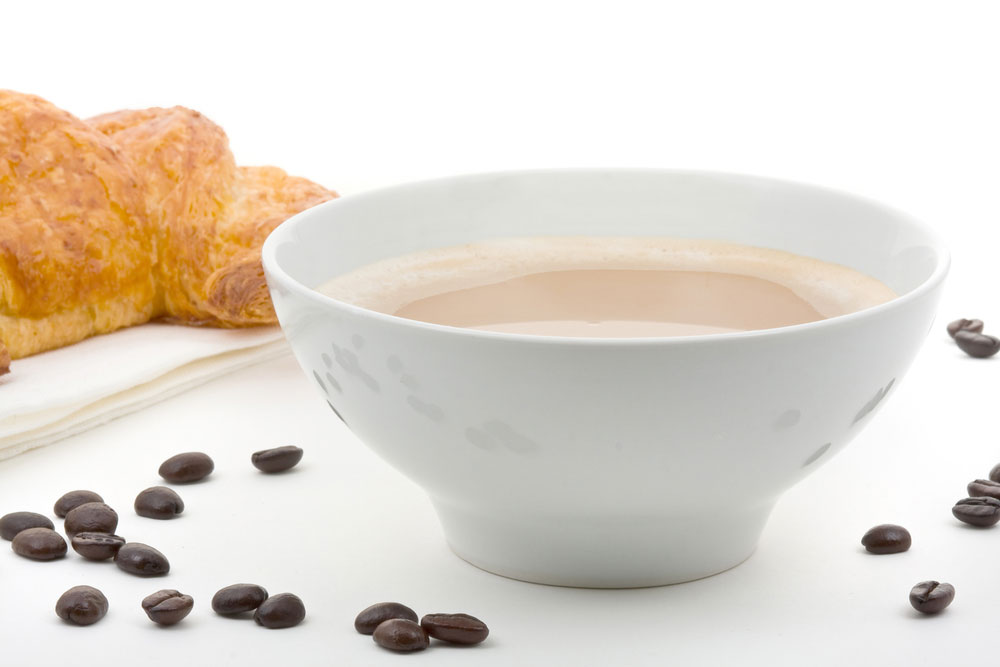
There’s something deeply satisfying about wrapping both hands around a wide ceramic bowl of café au lait on a slow weekend morning. The French figured this out a long time ago — not because they were trying to be poetic about it, but for purely practical reasons that hold up just as well today. The bowl keeps the drink warm longer, gives you room to dip your croissant or tartine, and forces you to slow down enough to actually enjoy it.
Café au lait is one of the simplest coffee drinks in the world: coffee and steamed (or hot) milk in roughly equal parts. But like most simple things, there’s a lot of nuance in how you make it well, what coffee you use, how you heat the milk, and what you drink it from. This guide covers all of it — the French tradition, how café au lait differs from a latte, how to make it properly at home, and why the bowl matters more than you might think.
What Exactly Is Café au Lait?
Café au lait translates directly from French as “coffee with milk.” In its traditional French form, it’s made with strong drip coffee or a moka pot brew — not espresso — combined with an equal volume of hot, steamed, or scalded milk. The ratio is typically 1:1, though many people prefer a 2:1 or even 3:1 coffee-to-milk ratio once they’ve tried the base recipe and adjusted to taste.
This matters for one important distinction: a café au lait is not a latte. A latte is made with espresso — concentrated, pressurized, crema-topped — combined with steamed milk in roughly a 1:3 to 1:4 ratio. A café au lait uses brewed coffee, which has a longer, more diluted extraction and a different flavor profile. The result is a gentler, less intense drink with less crema and a softer sweetness. It doesn’t have the espresso backbone that makes a latte rich and slightly bitter at its core.
In New Orleans, café au lait is a regional institution — but with an important local twist. New Orleans café au lait is made with chicory coffee, a blend of dark-roasted coffee with roasted chicory root ground in. The chicory adds a distinctive earthy, slightly bitter, caramel-like character that complements milk beautifully and is unlike any other coffee style in North America. Served at Café Du Monde alongside a plate of powdered sugar beignets, it’s a combination that’s been in continuous operation since 1862.
The History of the Café au Lait Bowl
The wide, handle-less bowl used for café au lait in France — called a bol — is not a modern design choice. It’s a centuries-old practical solution to several problems at once.
When coffee became widely available to French households in the 18th century, the porcelain cups used for serving it were expensive, delicate, and small. For a morning beverage intended to be drunk in quantity alongside a substantial breakfast, these cups were impractical. The wide-mouthed bowl was the standard kitchen vessel already used for soup, broth, and other hot liquids. It made sense to use it for coffee too.
The bowl shape has a wider surface area at the top, which means the drink cools slightly faster at the surface — but the large volume means the core stays hot longer. You can cool a sip by blowing across the surface (the wide opening allows this naturally) while the rest remains hot. And of course, the width of the opening is perfect for dunking a piece of baguette or a croissant without the pastry deflecting off the rim of a narrow cup.
Over time, the bowl became culturally coded as the proper vessel for morning café au lait in France, to the point where receiving one signals a certain kind of French-inflected hospitality. Specialty ceramics shops in Paris sell handmade bols specifically for this purpose, often in the blue-and-white or earth-toned styles associated with provincial French pottery.
How Café au Lait Differs from Other Milk Coffee Drinks
Understanding how café au lait sits within the broader landscape of milk coffee drinks helps you know when to reach for it and when another preparation might be more appropriate.
Café au Lait vs. Latte: The coffee base is the key difference. Café au lait uses brewed coffee (drip, French press, or moka pot); latte uses espresso. Espresso delivers more caffeine per milliliter and a more concentrated, complex flavor. Café au lait tends to be gentler, larger in volume, and more breakfast-appropriate. A latte is typically served in 8–12oz; a café au lait can easily fill a 10–16oz bowl.
Café au Lait vs. Café Crème: In French cafés, a café crème is the more common milk coffee ordered during the day — it’s closer to a cappuccino or latte, made with espresso and cream or milk foam. A café au lait is the home breakfast version, larger and made with drip or press coffee rather than espresso.
Café au Lait vs. Flat White: A flat white uses a double ristretto (highly concentrated, short-pull espresso) with a small amount of micro-foamed milk — approximately 120–150ml total. It’s intensely coffee-forward with a silky, dense texture. Café au lait is the opposite in almost every way: gentler coffee base, more milk, larger volume, less foam.
Café au Lait vs. Café Misto (Starbucks): Starbucks’ Café Misto is their name for café au lait — half brewed coffee, half steamed milk. The proportions and concept are the same as a traditional café au lait, just made with their house drip coffee blend. It’s a reasonable approximation if you’re ordering at Starbucks and want something gentler than a latte.
Choosing the Right Coffee for Café au Lait
Because café au lait uses a significant volume of milk, you want a coffee that’s strong and flavorful enough to hold its own character even when diluted. A weak drip coffee will produce an insipid, watery result that tastes more like milk than coffee. Here’s what to look for:
Brew strong. Use more coffee than you normally would for your brewing method — roughly 15–20% more. If you typically use a 1:15 ratio (coffee to water) for your drip coffee, try 1:12 or 1:13 for café au lait. You’ll combine it with equal parts milk, so the starting strength needs to compensate for that dilution.
Choose a medium to medium-dark roast. Light roasts have their place, but their brighter acidity can become sharp or thin when combined with milk. Medium roasts — with their balance of sweetness, body, and mild acidity — blend more harmoniously with milk’s fat and sweetness. Dark roasts work well in the New Orleans chicory tradition, where the intensity is intentional.
Consider the flavor profile. Coffees with natural chocolate, caramel, or nutty notes complement milk particularly well. Ethiopian light roasts with intense fruit and floral notes are generally better showcased without milk. Brazilian or Colombian medium roasts with chocolate and nut profiles are ideal café au lait candidates.
Brew methods that work well:
- French press: Produces a full-bodied, oil-rich brew with no paper filter to strip compounds — the richness stands up well to milk and produces a harmonious blend.
- Moka pot: Produces a concentrated, espresso-adjacent brew that is strong enough to cut through a substantial amount of milk. The intensity is closer to a latte when combined with steamed milk.
- Drip machine: Convenient and consistent — works well when you adjust the strength upward from your usual setting.
- Pour-over: Clean, bright, and nuanced — the clarity of the cup is reduced somewhat when milk is added, but the brightness remains.
How to Prepare the Milk Properly
The milk matters as much as the coffee in café au lait. Hot, flat milk poured into coffee is fine, but taking a few extra minutes to prepare it properly makes a meaningful difference to the final result.
Temperature: Milk heated to 60–65°C (140–150°F) is at its peak sweetness. Beyond 70°C, milk proteins begin to denature and the flavor becomes slightly scorched. If you’re heating milk on a stovetop, watch for small bubbles forming around the edges and steam rising — that’s your indicator you’re approaching the right temperature. Pull it immediately before it boils.
Frothing options:
- Steam wand (espresso machine): Produces the finest micro-foam — silky and dense with no large bubbles. Texture the milk to a glossy, paint-like consistency for the most elegant pour.
- Handheld milk frother: Plunging a battery-operated frother into hot milk for 20–30 seconds produces a lighter, airier foam — less sophisticated than a steam wand but perfectly serviceable for home café au lait.
- French press frothing: Heat milk to 65°C, pour into a French press, and pump the plunger vigorously 20–30 times. This produces a surprisingly decent foam — a useful technique if you already have the equipment.
- Stovetop (no frothing): Simply heat milk in a small saucepan until steaming, then pour. Traditional French households often do nothing more than heat the milk, and the result is perfectly good — the foam is a modern aesthetic preference, not historical requirement.
Milk type and its effect on flavor: Whole milk produces the richest, creamiest café au lait — the fat content carries flavor beautifully and creates the most satisfying body. 2% milk works well for a lighter version. Oat milk is an excellent non-dairy alternative — its natural sweetness and creamy texture complement coffee in a similar way to whole milk, and it froths reasonably well. Almond milk is thinner and can split when added to very hot coffee; if using it, make sure the coffee isn’t boiling and mix quickly. Full-fat oat milk (like Oatly Barista Edition) is the closest non-dairy analogue for both flavor and steam-ability.
The Classic Café au Lait Recipe
This is the traditional at-home preparation — no espresso machine required.
What you need:
- 20g of freshly ground medium roast coffee (medium-fine grind for drip; coarser for French press)
- 240ml (8oz) of water at 93°C (200°F)
- 240ml (8oz) of whole milk
- A wide bowl or large mug
Steps:
- Brew your coffee at double strength — use 20g of coffee to 240ml of water rather than the standard 12–14g. This gives you a concentrated brew that will hold up to the milk.
- While the coffee brews, heat your milk in a small saucepan over medium-low heat. Stir occasionally to prevent a skin from forming. Heat to just steaming — 60–65°C if you have a thermometer.
- If frothing, use a handheld frother on the hot milk for 20–30 seconds until you have a light foam.
- Pour the brewed coffee into your bowl first, then pour the hot milk in a steady stream. The coffee-to-milk ratio should be roughly 1:1 — adjust in future batches based on your preference.
- Add sugar if desired — a teaspoon of raw cane sugar or a small drizzle of honey both work well. Traditional French café au lait is often drunk unsweetened.
The New Orleans Variation: Chicory Café au Lait
To make the New Orleans version, use a chicory coffee blend — Café Du Monde brand is the most authentic and widely available internationally. The preparation is the same as above, but the flavor is notably different: earthier, darker, with a pleasant bitterness that pairs with the steamed milk to create a drink that’s slightly reminiscent of dark hot chocolate without the sweetness.
Traditionally, New Orleans café au lait is made very strong and very milky — the chicory blend is almost a concentrate that gets tempered by a generous pour of scalded whole milk. It’s served hot in a ceramic mug (bowls are less common in Louisiana than in France) alongside beignets dusted in powdered sugar at Café Du Monde, or at home with any pastry you have on hand.
If you want to approximate chicory coffee without buying a blend, you can add a half-teaspoon of roasted chicory root powder (available at health food stores and online) to your coffee grounds before brewing. It will add that characteristic earthy bitterness. Start with less than you think you need — chicory is potent.
Choosing the Right Café au Lait Bowl
The bowl matters more than it might seem, both functionally and aesthetically. Here’s what to look for:
Capacity: A proper café au lait bowl holds 350–450ml (12–16oz) — large enough to accommodate a full cup of coffee plus an equal volume of milk without overflowing. Bowls marketed specifically for café au lait will typically state this in their description.
Material: Ceramic (stoneware or earthenware) is traditional and ideal — it retains heat well, is heavy enough to feel substantial in the hands, and develops character over time. Porcelain is more delicate and beautiful but not quite as heat-retentive. Glass bowls look elegant and allow you to see the coffee-milk layering, but lose heat faster.
Shape: Wide-mouthed, lower-profile bowls are the classic form — the width is what allows comfortable two-handed holding and easy croissant dipping. Deep, narrow bowls may hold more volume but lose the aesthetic and functional appeal of the traditional shape.
What to look for: French pottery brands like Emile Henry and Le Creuset make excellent café au lait bowls in traditional styles. Japanese ceramic bowls (the Japanese concept of yunomi — large, round tea bowls — is nearly identical in form and function) are often beautiful options. Any wide, handle-less ceramic bowl in the 350–450ml range will work perfectly.
Frequently Asked Questions About Café au Lait
Can I use espresso to make café au lait?
Technically, using espresso makes it a latte, not a café au lait. But if espresso is what you have, it absolutely works — combine a double shot (60ml) with 120–180ml of steamed milk for a drink that’s closer to a latte in intensity. The key difference you’ll notice is that the espresso version has more crema, a richer body, and more bitterness than the brewed-coffee version.
Is café au lait stronger than a latte?
Not typically. Because café au lait uses brewed coffee rather than espresso, the coffee component is less concentrated. A 240ml:240ml café au lait (using drip coffee at standard strength) has less caffeine and a gentler flavor than most lattes, which use 1–2 shots of espresso in a smaller total volume. If you brew your café au lait coffee very strong (which is recommended), the gap narrows.
Can I make café au lait cold?
Yes — an iced café au lait is a refreshing variation. Brew your coffee strong and let it cool to room temperature (or brew directly over ice). Fill a glass with ice, pour in the cooled coffee, and top with cold milk in a 1:1 ratio. For extra creaminess, use half-and-half instead of whole milk. This is essentially an iced coffee with milk — simple, satisfying, and very drinkable in warm weather.
What’s the difference between café au lait and white coffee?
“White coffee” is primarily a British and Australian term for coffee with milk added — in practice, it’s a generic description that covers everything from a drip coffee with a splash of cold milk to a flat white. Café au lait is a specific preparation (equal parts brewed coffee and hot milk) with a cultural and historical context tied to the French breakfast table. White coffee is a descriptor; café au lait is a recipe.