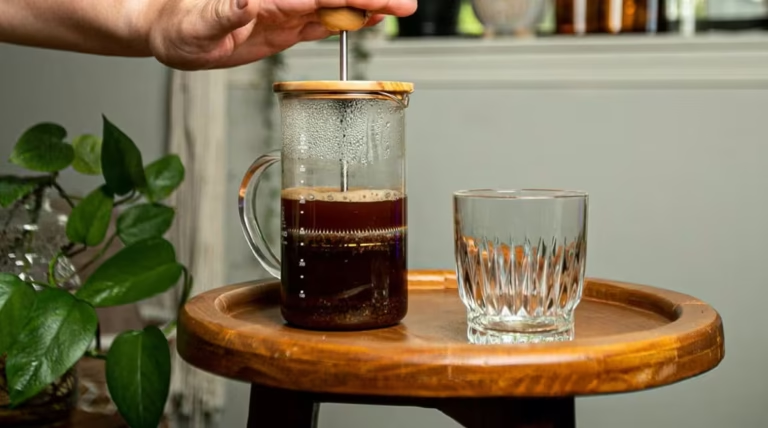
Cheat Sheet for Coffee Lovers: Bodum French Press Instructions

The French press is one of the most satisfying coffee brewing methods in existence — no electricity required, no paper filters to stock, minimal equipment, and the result is a rich, full-bodied cup that paper-filtered methods simply can’t replicate. Bodum is the brand most synonymous with French press worldwide, having been making them since 1974 and essentially defining what the modern glass-and-stainless-frame French press looks like.
Despite being considered a beginner-friendly brewer, the French press has enough variables to produce terrible coffee when used carelessly and outstanding coffee when used with intention. This complete guide covers every aspect: the right ratio, grind size, water temperature, technique, troubleshooting, cleaning, and how to get the best from your Bodum — whether it’s a classic Chambord, a Brazil, a Columbia, or any other model in their range.
Understanding Your Bodum French Press
All Bodum French presses share the same core design: a glass (or stainless/plastic) carafe, a metal lid, a plunger rod attached to a filter assembly, and a frame that protects the carafe. The filter assembly is the most important component — it consists of a cross-plate, a spiral spring, and a fine mesh filter screen that separate grounds from brewed coffee when you press the plunger.
Bodum makes French presses in several sizes, and knowing which one you have determines your coffee dose:
- 3-cup (0.35L / 350ml): Produces roughly 1 large mug or 2 small cups. Use 21g of coffee.
- 4-cup (0.5L / 500ml): Produces roughly 2 medium mugs. Use 30g of coffee.
- 8-cup (1.0L / 1000ml): The most popular size. Produces 4 medium mugs. Use 60g of coffee.
- 12-cup (1.5L / 1500ml): Large batch for groups. Use 90g of coffee.
These measurements assume you fill the press to just below the metal frame — the maximum capacity. Brewing less than full capacity in a French press produces inconsistent results because the ratio of grounds to water changes if you use a half-dose in a full-size press. Either brew to full capacity or use a smaller press for smaller batches.
The Core Ratio: Getting the Foundation Right
The single most important variable in French press brewing — and the one most people get wrong — is the coffee-to-water ratio. Too little coffee and the brew is weak, watery, and flat. Too much and it’s overwhelmingly bitter and astringent.
Standard French press ratio: 1:15 (coffee to water by weight)
- 1g of coffee per 15ml of water
- For 500ml water: 33g coffee
- For 1000ml water: 67g coffee
Strong preference ratio: 1:12–1:13 — for people who like a robust, intense cup similar to what many specialty coffee shops produce.
Lighter preference: 1:17–1:18 — for a gentler, less intense result. Good if you’re drinking the coffee black and find standard-ratio French press too aggressive.
Volume measurements (tablespoons, scoops) are imprecise because grind size and bean density affect how much fits in a spoon. A kitchen scale is not optional for consistent French press brewing — it’s the single equipment upgrade that most dramatically improves consistency. A decent digital kitchen scale costs less than a bag of specialty coffee and will pay for itself in better cups immediately.
Grind Size: Why It’s Critical and What to Target
French press requires a coarse grind — specifically, a size often compared to coarse sea salt or breadcrumbs. This is coarser than drip coffee, much coarser than espresso, and coarser than AeroPress.
Why coarse? The French press uses immersion brewing — coffee grounds steep in water for several minutes, then the metal mesh filter presses them to the bottom. Unlike paper-filtered methods, the grounds remain in contact with the liquid for the entire steep. A coarse grind provides the right surface area for this extended contact time without over-extracting. Fine grounds would extract too aggressively during the steep and make pressing impossible — the fine particles would push through the mesh filter and make the cup gritty, or simply block the press and make it impossible to push down.
Signs your grind is too fine: – Plunger is very difficult or impossible to press – Cup is bitter and harsh, not just strong – Significant sediment and grit at the bottom of the cup beyond the normal fine amount Signs your grind is too coarse: – Plunger moves down with almost no resistance – Cup is weak, sour, or thin despite correct dose – Grounds float on top throughout the steep without sinking
A burr grinder (either electric or hand-cranked) is far superior to a blade grinder for French press. Blade grinders chop beans inconsistently, producing a mixture of very fine powder and large chunks. The fines over-extract and add bitterness; the large pieces under-extract and add sourness. Burr grinders crush beans between two abrasive surfaces at a consistent gap, producing an even particle size. For the French press, electric burr grinders (Baratza Encore, OXO Brew, Bodum’s own Bistro burr grinder) at a setting of 7–9 out of 10 (on most models, their coarsest end of the range) are ideal.
Water Temperature: The Often-Ignored Variable
Water temperature directly controls extraction rate. Too hot and coffee over-extracts, emphasizing harsh, bitter compounds. Too cool and it under-extracts, leaving the cup flat, thin, and sour.
Target water temperature for French press: 93–96°C (200–205°F)
This is 30–60 seconds off a full boil at sea level. At altitude, water boils at lower temperatures (in Denver, water boils at about 95°C; at sea level, 100°C), so the off-boil approach needs adjustment at high altitude — bring water to boil and use it almost immediately.
If you don’t have a thermometer (though a cheap probe thermometer is worth having), use this practical guide: bring water to a full boil, remove from heat, and wait 30–45 seconds before pouring. This typically drops temperature from 100°C to the 93–96°C target range.
Why not use boiling water? Water at exactly 100°C is technically usable for French press but sits at the upper limit. With most medium or light roast coffees, boiling water pushes toward over-extraction. With dark roasts specifically, where the roast level has already developed robust flavors that can handle more heat, boiling water is less problematic. Still, the 93–96°C range is more forgiving and universally recommended.
Complete Step-by-Step Brewing Instructions
Here’s the full method, with the technique details that most guides skip:
What you need: – Bodum French press (clean and dry) – Freshly ground coffee (coarse grind) – Hot water at 93–96°C – Kitchen scale – Timer – Spoon or stirrer (wooden, plastic, or the back of a butter knife — not metal to avoid cracking the glass)
Step 1 — Pre-heat the press. Pour a small amount of hot water into the empty French press, swirl it around, and discard. This brings the glass temperature up so your brewing water doesn’t lose heat immediately on contact with a cold vessel. A pre-heated press maintains brewing temperature better throughout the steep.
Step 2 — Weigh and grind your coffee. Measure your coffee by weight (not volume) to your target dose. Grind at the moment of brewing — pre-ground coffee begins losing aromatics immediately. Coarse setting on your burr grinder.
Step 3 — Add the coffee and bloom. Pour the ground coffee into the pre-heated press. Start your timer. Pour just enough hot water to saturate all the grounds — roughly 2x the coffee weight in water. For 60g of coffee, pour about 120ml of water. The coffee will bubble and expand (bloom) as CO₂ trapped inside the bean releases. This bloom indicates freshness — coffee that doesn’t bloom at all is old. Let the bloom proceed for 30–45 seconds. This pre-saturation step ensures more even extraction during the full steep.
Step 4 — Pour remaining water and stir. Pour the remaining water to your total target amount. Stir gently with a non-metal spoon to ensure all grounds are fully saturated and none are floating dry at the top. A thorough stir at this point means more even extraction.
Step 5 — Place the lid and steep. Set the lid on the press with the plunger pulled all the way up — do not push yet. This prevents heat loss. Steep for 4 minutes total from the start of your timer. Some experienced users prefer 3:30 with a slightly finer grind or 4:30 with very coarse; 4 minutes is the reliable starting point.
Step 6 — Break the crust and skim. At 4 minutes, remove the lid. You’ll see a crust of grounds floating on top. Use a spoon to stir this crust, breaking it up and pushing the grounds down. Then skim off the foam and floating grounds from the surface with the spoon. This step — often omitted in basic instructions — significantly reduces bitterness and sediment in the final cup, because the floating grounds continue extracting even through the press.
Step 7 — Wait 2 more minutes. After stirring and skimming, let the grounds settle for another 2 minutes. Total time in the press is now 6 minutes. This settled brew produces significantly less sediment in the cup than pressing immediately after the steep.
Step 8 — Press gently. Press the plunger down slowly and steadily with even, light pressure. If the plunger offers very strong resistance, your grind is too fine — stop, depress slightly, and don’t force it. If it falls with almost no resistance, your grind is too coarse. Target: 20–30 seconds to press fully from top to bottom.
Step 9 — Pour immediately. Pour all the brewed coffee into cups or a serving carafe immediately. Do not leave brewed coffee sitting in the press — even with the plunger pressed, the grounds remain in contact with the liquid and will continue extracting, making the brew increasingly bitter and harsh over the next 10–15 minutes.
Troubleshooting Common French Press Problems
Coffee is bitter and harsh: Most common cause is grind too fine, water too hot, or steep time too long. Try coarser grind first. Also check you’re not letting the coffee sit in the press after pressing.
Coffee is weak, sour, or thin: Under-extraction. Try finer grind (but still coarse), hotter water (at least 93°C), or longer steep time (try 4:30 instead of 4:00). Also check your dose — many people under-dose significantly.
Plunger is stuck or won’t press: Grind too fine. Do not force the press down — forcing a stuck plunger can crack the glass. Let it rest for 30 seconds, apply gentle downward pressure, and if still stuck, remove the plunger entirely and pour through a fine-mesh sieve instead.
Lots of sediment in the cup: Normal amount of fine sediment is expected in French press — it’s part of the character. Excessive sediment suggests grind too fine or a damaged/worn filter mesh. Try the bloom-stir-wait-6-minutes method described above, which significantly reduces sediment. Also check that your Bodum’s mesh filter and spring are seated correctly in the filter assembly.
Coffee cools down too fast: Pre-heat your press and your cup. Pour boiling water into both, wait 30 seconds, discard, then brew. This adds several minutes of heat retention.
Coffee tastes plasticky or metallic: Thoroughly clean the press — the mesh filter, spring, cross-plate, and lid all accumulate coffee oil residue that develops off-flavors. Run all components through the dishwasher (most Bodum models are dishwasher-safe) or soak in a solution of baking soda and hot water for 30 minutes.
How to Clean Your Bodum French Press Properly
Cleaning is where most French press users cut corners, and the consequences — rancid oil residue producing stale, off flavors — are real. Here’s the full approach:
After each use: Remove the plunger and disassemble the filter stack (unscrew the cross-plate from the rod, remove the mesh filter and spring). Dispose of the coffee grounds by tapping the carafe upside down over a compost bin or rubbish bin — never down the sink, where grounds accumulate and cause blockages over time. Rinse all parts under warm running water.
Weekly deep clean: Disassemble the filter stack completely. Check that the mesh filter isn’t clogged or stretched — hold it up to the light to see if light passes through evenly. Replace if the mesh is visibly deformed or has holes. Soak all metal components in a solution of dish soap or a coffee cleaning product like Cafiza for 10–15 minutes. Scrub with a soft brush (a recycled toothbrush is ideal for the mesh). Rinse thoroughly — any soap residue will affect the next brew.
Glass carafe: Bodum’s borosilicate glass is durable but not indestructible. Avoid thermal shock — don’t pour cold water into a hot press immediately. Dishwasher-safe in most models, or hand-wash with warm water and dish soap. Replace if you notice any chips or cracks.
Replacing the filter: Bodum sells replacement filter assemblies (the mesh, spring, and cross-plate) for all their French press models. If your press starts producing notably more sediment despite correct technique, the mesh has likely stretched or developed small tears. A $10–15 replacement filter is all you need — you don’t need to buy a new press.
Recipes Beyond Basic Black Coffee
French Press Cold Brew: Add coarsely ground coffee at a 1:8 ratio (coffee to cold water by weight) to your Bodum. Do not press. Place in the refrigerator for 12–18 hours. Press gently and pour. The result is a concentrated cold brew that you dilute 1:1 with water or milk over ice. Smooth, low-acid, naturally sweet — a completely different profile from hot French press using the same beans.
French Press Milk Frother: The French press makes a capable milk frother. Heat milk to 65°C, pour into the press, and pump the plunger up and down rapidly 20–30 times. The mesh aerates the milk into a frothy foam — not as fine as a steam wand, but perfectly serviceable for a café au lait or simple latte topping at home without any additional equipment.
Spiced French Press: Add whole spices directly to the grounds before brewing — a cinnamon stick, 3–4 cardamom pods (cracked), a star anise, or a few peppercorns. The 4-minute steep extracts the spice flavor directly into the brew. This is how traditional Scandinavian spiced coffee and many Middle Eastern preparations are produced. Adjust the spice quantity to taste; start conservatively (half a cinnamon stick) and scale up.
Frequently Asked Questions About Bodum French Press
Can I use any coffee in a French press, or do I need a specific roast?
French press works with any roast level, but medium to medium-dark roasts tend to produce the most balanced results. The full immersion method extracts generously — light roasts with bright acidity can become quite intense with 4 minutes of immersion, while medium-dark roasts produce the chocolate, caramel, and nutty notes that pair naturally with the method’s inherent body. Dark roasts produce a rich, robust cup that’s the most forgiving of any grind or ratio imprecision. Experiment with your preferred roast level starting at the standard 1:15 ratio.
How is Bodum different from other French press brands?
Bodum’s primary advantages are build quality and the replacement parts ecosystem. The borosilicate glass is thicker and more heat-resistant than most budget alternatives. The filter assembly is precision-fitted and produces a consistent seal between mesh and carafe wall. And crucially, Bodum sells replacement parts — filters, lids, carafes — for virtually every model they’ve made in decades. A Bodum press bought today will have replacement parts available for years. Budget French presses often have no replacement part availability, meaning a single damaged component means a new press.
Why does my French press coffee have so much sediment?
Some sediment is normal and expected — it’s what distinguishes French press from filtered methods and contributes to the body and texture. To minimize it: use a coarser grind, allow grounds to settle fully (the 6-minute total time method), and pour slowly without disturbing the settled grounds at the bottom. Stop pouring when you see sediment approaching the spout. A small amount of fine grounds at the bottom of your cup is correct; gritty, sandy sediment throughout suggests the grind is too fine or the filter mesh is worn.
Is it worth buying the more expensive Bodum models?
The core brewing quality is identical across Bodum’s range — the method doesn’t change. The differences are in aesthetics, materials (glass vs. insulated stainless), and handle design. The insulated stainless models (Bodum Columbia, Bodum Travel) keep coffee significantly hotter for longer, which is genuinely valuable if you drink slowly or brew a batch for multiple people over 30+ minutes. If you drink your French press immediately after pressing, the basic glass models (Brazil, Chambord) produce exactly the same cup at lower cost.