Choosing Your Aeropress Filters – A Quick Guide
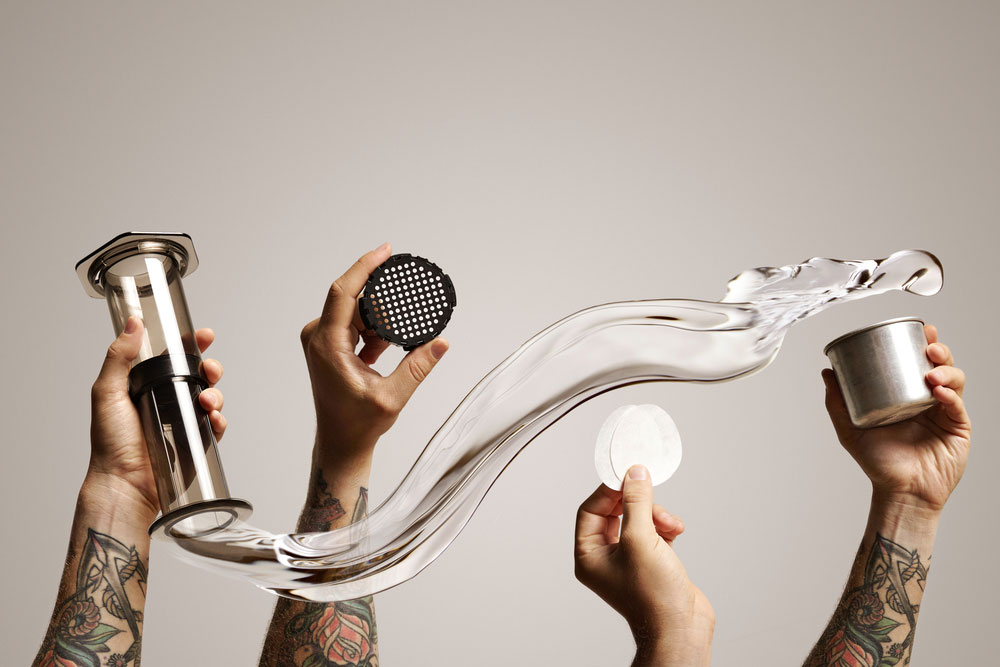
The AeroPress is one of those rare pieces of coffee equipment that manages to be both beginner-friendly and endlessly customizable for obsessive tinkerers. Most of the variables — grind size, water temperature, steep time, pressure — get plenty of attention. But the filter choice is often the most underrated dial in the whole system, and it makes a more significant difference to your cup than most people realize.
The AeroPress comes with paper microfilters in the box. That’s not the end of the story — it’s the beginning. Between the original paper filter, the Fellow Prismo, third-party metal filters, reusable cloth alternatives, and specialty filters designed for specific brewing goals, there are more filter options for the AeroPress than for almost any other brewer on the market. This guide breaks down every major option, what each one does to your cup, and exactly who should use each.
Why the Filter Matters So Much in AeroPress
To understand why filter choice is significant, you need to understand what filters actually do in any brewing context. A filter serves two functions simultaneously:
Particle separation: Keeping ground coffee particles out of the final cup. A filter with smaller pores keeps out more fine particles (fines), producing a cleaner cup. A filter with larger pores lets more fines through, producing a more textured, sometimes gritty cup.
Oil filtration: Coffee contains significant amounts of oil (lipids), which carry a large portion of the coffee’s body, richness, and some of its flavor compounds. Paper filters trap most of these oils. Metal filters allow most of the oils through. Cloth filters sit in the middle, depending on weave tightness.
These two functions shape everything about the final cup — its clarity, body, mouthfeel, flavor intensity, and even its health implications (coffee oils contain cafestol and kahweol, diterpenes that raise LDL cholesterol when consumed in significant quantities — paper filters trap these; metal filters don’t).
The AeroPress’s design, which produces relatively low pressure compared to an espresso machine but significantly higher pressure than a French press, makes it particularly sensitive to filter choice. The same recipe produces a noticeably different cup depending purely on which filter you use.
AeroPress Original Paper Microfilters
The paper filters included with every AeroPress — small, round, 350-micron discs — are where most users start and many stay. They’re inexpensive (about $7 for 350 filters), produce a clean, consistent cup, and require no maintenance beyond disposal.
What they do to the cup: Paper filters produce the cleanest, brightest AeroPress cup. They trap the vast majority of coffee oils and virtually all coffee particles, including very fine ones. The result is a clear, light-bodied brew with well-defined flavors — brighter acidity, cleaner sweetness, and more distinct fruit and floral notes in lighter roasts. If you’re brewing a washed Ethiopian or a fruity natural Kenyan and want to taste the full clarity of the origin, paper is your tool.
The trade-offs: No oils means less body. Some people who switch from French press to AeroPress with paper filters miss the richness and mouth-coating quality that coffee oils deliver. Paper filters also require continuous purchasing (though at 2 cents per filter, cost is barely an argument). Some people can detect a very faint papery taste in the first few seconds of brewing, which is eliminated by pre-wetting the filter with hot water before placing the AeroPress — a step that takes 5 seconds and should be standard practice.
Paper filter technique tip: Double-filtering — stacking two paper filters — produces an even cleaner cup with very slightly reduced flow rate. Some people find this useful when using very finely ground coffee that tends to stall the press.
Best for: Light roast single-origin coffees where origin clarity is the goal; new AeroPress users; anyone who prefers pour-over-style clarity; anyone managing cholesterol with dietary measures.
Metal Filters: Permanent, Reusable, Full-Bodied
Metal AeroPress filters are perforated or mesh discs made from stainless steel (occasionally titanium for premium options). They’re a one-time purchase, produce no waste, and fundamentally change the cup profile — closer to a French press or moka pot in body and richness.
What they do to the cup: Metal filters allow coffee oils to pass through freely, producing a significantly fuller-bodied cup with more richness and mouthfeel. Finer particles also make it through more than with paper, adding some texture and sediment at the bottom — similar to a French press but typically finer. The flavors shift: body and richness come forward; bright acidity and delicate florals recede somewhat. Medium to dark roasts with chocolate, caramel, or nutty character tend to shine through metal filters.
Popular metal filter options:
- Able Brewing DISK: One of the most widely used and well-reviewed metal AeroPress filters. Comes in standard and fine versions — the fine version (64-micron pores) produces a significantly cleaner cup than standard (150-micron), bridging the gap between full metal body and some paper-filter clarity. The fine version is the better starting point for most users.
- IMS Precision Filter: Italian-made stainless steel with laser-cut precision pores. Very consistent hole size produces excellent repeatability. Popular in competition contexts.
- Aesir Filter: Particularly fine mesh that produces a cup closer to paper in clarity while still allowing some oil through. Often recommended for people who want the reusable convenience of metal without the heavy sediment of standard metal filters.
- Fellow Prismo: Technically a portafilter-style attachment with a built-in pressure valve and metal filter, designed to allow espresso-style brewing. Discussed separately below.
Cleaning metal filters: After pressing, tap the puck out, rinse the filter under hot water, and air-dry. Occasional backwashing (running water through the filter in the reverse direction from brewing) clears clogged pores. Once a week, soak in a solution of coffee cleaning powder (like Cafiza or Urnex) or baking soda for 10–15 minutes to remove oil buildup that regular rinsing misses. A filter with clogged pores produces slower flow and a slightly stale taste from rancid residual oils.
Best for: Medium and dark roast coffee; people who love French press body but want more convenience (no cleanup of loose grounds from the press); anyone wanting to reduce paper waste; camping and travel (metal filters are durable and require no supplies).
Fellow Prismo: Pressure, Espresso-Style Brewing
The Fellow Prismo is a specialized AeroPress attachment that replaces the standard cap with a pressurized valve system and includes its own metal filter. It’s designed specifically to enable espresso-style brewing in the AeroPress.
How it works: The Prismo’s pressure valve only opens when the plunger pressure exceeds a threshold, allowing pressure to build up behind the coffee puck before any liquid passes through. This higher pressure — though still nowhere near the 9 bars of a proper espresso machine — extracts the coffee differently, producing a more concentrated, espresso-adjacent result with a layer of crema-like foam on top.
What it produces: A concentrated shot (about 60ml) with noticeably more body and richness than standard AeroPress. Not true espresso by barista standards — true espresso requires 8–10 bars of pressure that no hand-operated device can generate consistently — but a very useful approximation for home use. The Prismo shot works excellently as a base for Americano (dilute with hot water), latte (add steamed milk), or as a standalone strong coffee experience.
Prismo technique: Use a very fine grind (finer than standard AeroPress, approaching espresso grind), 18–20g of coffee, inverted position, 40–50ml of water at 90–92°C, steep 30 seconds, press firmly and steadily with body weight for 30–45 seconds. Expect significant resistance — that’s the valve building pressure. Yield: approximately 40–60ml of concentrate.
Best for: Home espresso-style brewing without a machine; making AeroPress-based milk drinks (cortado, latte); concentration extraction as a cold brew replacement; anyone who wants to extract maximum concentration from their AeroPress.
Reusable Cloth Filters
Cloth filters — typically made from fine cotton, hemp, or CoffeeSock’s natural cotton muslin — sit between paper and metal in their filtration characteristics. They allow some oils through while trapping most particles, producing a cup with characteristics of both styles.
What they produce: A smooth, medium-bodied cup with more richness than paper but less sediment than most metal filters. Many people describe cloth-filtered coffee as “round” — it has body and sweetness without the textural presence of fines. Japanese-style cloth brewing (nel drip) has used this approach for decades and is considered by some to produce the best-tasting filter coffee possible.
Maintenance requirements: Cloth filters require more care than paper or metal. After each use, rinse thoroughly under hot water and squeeze out excess moisture. Store damp (never let a cloth filter dry out completely — it develops off-flavors that transfer to coffee). Every week, boil in clean water for 5–10 minutes to sanitize. With proper care, a cloth filter lasts 6–12 months. Neglected cloth filters develop rancid oil residue that produces off-flavors — the only effective fix is replacement.
Best for: Coffee lovers who want the body benefits of metal without the sediment; people willing to invest in equipment care; those interested in the specialty Japanese brewing tradition; medium-roast coffees where body and clarity are both desired.
Third-Party Paper Filters: Are They Different?
Several companies make alternative paper filters for the AeroPress — Cafec’s Abaca paper filters and various bamboo-fiber options among them. These are worth knowing about if you care about either flavor nuance or environmental footprint.
Cafec Abaca filters: Made from abaca plant fiber (a type of banana plant) rather than standard wood pulp. Abaca filters are notably thinner than the original AeroPress filters, which produces a slightly faster flow rate and a cup with marginally more oil passage than the standard paper — sitting between the original paper and metal in body. Many specialty coffee users consider them the best paper filter for the AeroPress for this reason. They’re also biodegradable and sustainably sourced.
Bamboo-fiber filters: Similar environmental profile to abaca, with slightly different flow characteristics depending on the manufacturer. Generally a reasonable alternative to standard paper with minimal cup quality difference.
Best for: Anyone who wants paper filter convenience with slightly more body than the standard filters; environmentally conscious brewers who want a more sustainable paper option.
Filter Choice by Coffee Type and Goal
Here’s a practical decision guide based on what you’re brewing and what you want from the cup:
You’re brewing light roast single-origin coffee and want maximum origin clarity: Standard paper filter (pre-wetted) or Cafec Abaca paper. The cleaner extraction reveals fruit, florals, and acidity.
You’re brewing medium-dark or dark roast and want richness and body: Metal filter (Able DISK Fine or IMS). The oils and body compounds that define dark roast enjoyment come through fully.
You want something in between — clarity with some body: Cafec Abaca paper, Aesir metal filter (very fine mesh), or cloth filter. All three sit usefully between the two extremes.
You want espresso-style concentration: Fellow Prismo. Nothing else in the AeroPress ecosystem approaches its pressure capability.
You’re camping, traveling, or want zero-waste brewing: Metal filter (any). Durable, reusable, requires no supplies beyond the filter itself.
You’re managing cholesterol: Paper filter. The diterpenes in coffee oils (cafestol and kahweol) that raise LDL cholesterol are trapped by paper, not metal or cloth.
How to Pre-Wet Your Paper Filter (and Why It Matters)
Pre-wetting is a step that takes 5 seconds and improves every paper-filtered AeroPress cup. Place the filter cap on the AeroPress, pour a small amount of hot water through the filter before adding coffee, and discard that water. This does two things: it eliminates the faint papery taste that unrinsed paper can contribute in the first few seconds of brewing, and it pre-heats the AeroPress chamber so your brewing water doesn’t lose temperature as quickly when it contacts the cool plastic.
Skip pre-wetting and most people won’t notice. Do it consistently and then skip it for comparison — the difference is subtle but real, particularly with delicate light roasts.
Frequently Asked Questions About AeroPress Filters
How many times can I reuse an AeroPress paper filter?
You can rinse and reuse a paper filter 3–5 times, though the filtration quality degrades with each use as the paper absorbs oils and the fibers become less consistent. If you’re using a specialty light roast where clarity is the goal, fresh paper each brew is the better choice. For everyday dark roast coffee, reusing once or twice is a reasonable compromise. Rinse immediately after use, let dry, and store flat.
Will a metal filter make my coffee taste different from the first cup?
Yes, noticeably. The cup will have more body, a slightly heavier mouthfeel, and some fine sediment at the bottom (similar to French press). The bright acidity and clean top notes you get with paper will be reduced. Whether you prefer the result is subjective — many people love the added richness; others prefer the clarity of paper. The best approach is to try both with the same coffee and recipe, and choose based on what you actually enjoy rather than what seems technically superior.
Does filter choice affect caffeine levels?
Not significantly. Caffeine is water-soluble and extracts into the brew regardless of filter type. The filtration process doesn’t remove meaningful amounts of caffeine. The main things filters remove are oils, particles, and the diterpene compounds associated with cholesterol effects.
Can I use AeroPress filters in other brewers?
The round AeroPress paper filter disc can be used in a pinch in other small, round-bottomed pour-over devices (like the Hario V60 if you fold it into a cone shape), but it’s not designed for this use and the fit won’t be perfect. AeroPress metal filters are specific to the AeroPress form factor. For other brewers, use filters designed for those specific devices.