Peaberry Coffee Beans vs Regular Beans: What’s Actually Different (And Is the Premium Worth It)
This post may contain affiliate links. See our disclosure policy for details.
If you’ve browsed specialty coffee sites long enough, you’ve seen it: a bag labeled “Peaberry,” priced noticeably higher than everything around it, with a description that promises something exceptional. You’ve probably wondered whether it’s actually worth the premium or just a clever marketing story attached to a bean that looks slightly different.
Here’s the full picture — the botany, the flavor science, and an honest answer to whether you should actually seek these out.
What a Peaberry Actually Is
To understand peaberry coffee, you need to understand how a regular coffee bean forms. A coffee cherry — the fruit of the coffee plant — normally contains two seeds (what we call “beans”) facing each other flat-side in. These flat sides are why standard coffee beans have that characteristic flat face on one side. Two seeds, two flat faces, one cherry.
In approximately 5-10% of coffee cherries, only one seed forms instead of two. With no neighboring seed to push against, this single seed develops into a round, oval shape — no flat face. That’s a peaberry. It’s a natural mutation, not a cultivated variety, not a special species. It just happens spontaneously across all coffee-growing regions and all varieties.
The name comes from the resemblance to a small pea. In Spanish-speaking coffee-producing countries, they’re called “caracol” — snail — for the same reason.
Why They’re Separated Out
Peaberries aren’t just collected differently because they taste different (that debate comes later). They’re sorted out because they roast differently, and mixing them with flat beans creates roasting problems.
Here’s why: peaberries are denser and rounder than flat beans. In a drum roaster, coffee beans tumble constantly to ensure even roasting. Round peaberries tumble differently and lose heat faster than flat beans due to their smaller contact surface. In a batch containing both types, the peaberries may be under-roasted when the flat beans are done, or the flat beans over-roasted when trying to reach the peaberries.
Professional roasters separate peaberries because mixing them creates uneven roasting — not because they’ve made a flavor discovery. The consistent roast you get from a peaberry-only batch is part of the reason advocates claim they taste better: the comparison isn’t really “peaberry vs flat bean of the same roast level” — it’s “evenly roasted peaberry batch vs. a flat bean batch that was likely also evenly roasted by a careful roaster.” The peaberry separation itself is a quality-control step as much as a flavor-driven one.
The Flavor Claim: Is There Actual Science Here?
The claim made by peaberry enthusiasts (and practically every roaster who sells them at a premium) is that peaberries taste sweeter, more concentrated, and more complex than flat beans from the same plant.
The theoretical basis: because only one seed receives all of the nutrients the cherry would normally split between two seeds, the single seed is more densely packed with sugars, amino acids, and flavor precursors. More nutrients per seed = more flavor per bean.
Is this supported by rigorous research? Honestly — the evidence is mixed. There are sensory studies where tasters reliably scored peaberry coffees higher for sweetness and brightness. There are also studies where blind tasters couldn’t distinguish peaberry from flat beans from the same crop when roasted identically. The “concentrated flavor” theory is biologically plausible but not consistently confirmed by controlled tastings.
What’s more consistently supported: peaberries from regions already known for high-quality coffee (Tanzania, Kona, Kenya) do reliably produce excellent cups. But that’s partly because those origins produce excellent coffee regardless — the peaberry characteristic is layered on top of already-good terroir.
My honest take: the separation process itself — selecting out a specific bean type and roasting them as a uniform batch — probably contributes more to the cup quality than any inherent flavor superiority of the peaberry seed. It’s a quality-controlled sub-lot of an already-good crop.
Where Peaberry Coffee Comes From: The Best Origins
Peaberries occur naturally anywhere coffee is grown, but certain origins have developed a particular reputation for them:
Tanzania Peaberry
The most famous peaberry origin and the one most commonly sold under the “peaberry” label specifically. Tanzania’s highland-grown peaberries from the Kilimanjaro and Mbeya regions have a distinctive profile: bright acidity, full body, stone fruit flavors (peach, apricot), and a wine-like quality that’s unusual in African coffees. If you try one peaberry coffee to see what the fuss is about, make it Tanzanian.
Where to find it: Sweet Maria’s sells Tanzania Peaberry green beans for home roasters; Volcanica Coffee offers a roasted Tanzania Peaberry ($16-20/12oz).
Kona Peaberry
Hawaii’s Kona region already produces some of the most expensive coffee in the world ($40-70 per pound for 100% Kona) due to limited supply and the region’s ideal volcanic growing conditions. Kona Peaberry sits at the top of that hierarchy — rare within a rare product. Flavor: smooth, medium body, mild acidity, notes of brown sugar, macadamia nut, and subtle floral hints.
Warning: “Kona blends” (which can legally be as little as 10% actual Kona beans) are sold everywhere and labeled misleadingly. Real 100% Kona Peaberry from farms like Greenwell Farms or Kona Coffee Roasters runs $50-80+ per 8oz.
Kenya Peaberry
Kenya already produces exceptional coffees with intense blackcurrant, tomato, and berry notes at high altitude. Kenyan peaberries share these flavor characteristics but in a more concentrated form. Harder to find as a dedicated peaberry lot — most Kenyan specialty coffee is sold as standard-grade beans even if they contain some peaberries.
Colombia and Brazil Peaberry
Both producing countries occasionally sell peaberry lots, but these aren’t as widely celebrated or flavor-distinct as the Tanzanian or Kona versions. Worth trying if you already love Colombian or Brazilian coffee profiles and want to explore a select sub-lot.
Peaberry vs. Regular: Side-by-Side Comparison
| Factor | Peaberry | Regular (Flat Bean) |
|---|---|---|
| Shape | Round/oval, no flat face | Flat on one side |
| Occurrence | ~5-10% of cherries | ~90-95% of cherries |
| Density | Higher | Standard |
| Roasting behavior | Requires separate roasting | Standard batch roasting |
| Flavor claim | Sweeter, more concentrated | Full range of origin flavors |
| Price premium | 15-40% higher | Standard market price |
| Best brewing method | Pour over, drip (to highlight nuance) | All methods |
How to Brew Peaberry Coffee for Best Results
Because peaberries are denser than flat beans, they extract slightly differently. A few adjustments worth making:
- Grind slightly finer than usual for pour over. The denser bean resists water penetration more than a standard bean — a slightly finer grind compensates for this. Start at your normal setting and grind 1-2 notches finer; taste and adjust.
- Use a pour over or drip method rather than French press. Peaberry’s reputation is for brightness and clarity — paper filter methods (V60, Chemex, drip) preserve this. French press adds body and oils that, while excellent for some beans, can muddy the specific characteristics that make peaberry interesting.
- Water temperature at the upper end. 200-205°F rather than 195-200°F. The density benefits from hotter water to drive extraction.
- Longer bloom time. 40-45 seconds for the bloom rather than 30. Denser beans take slightly longer to fully degas.
Is Peaberry Coffee Worth the Premium?
Straight answer: it depends on the origin, not the “peaberry” label itself.
A Tanzania Peaberry from a quality roaster at $18-22 for 12oz? Worth trying once, genuinely different and interesting. A generic “peaberry blend” from a faceless Amazon seller at $25 a pound? Almost certainly not worth the premium — the quality control and traceability aren’t there to back up the price.
The premium is justified when: the origin is known for producing exceptional coffee (Tanzania, Kona specifically), the roaster has direct trade relationships with the farm or cooperative, and the roast date is recent (within the last 4 weeks).
Skip the premium when: the listing doesn’t specify a specific origin or farm, there’s no roast date, or the price seems like a deal (real quality peaberry isn’t cheap).
Frequently Asked Questions About Peaberry Coffee
Is peaberry coffee higher in caffeine?
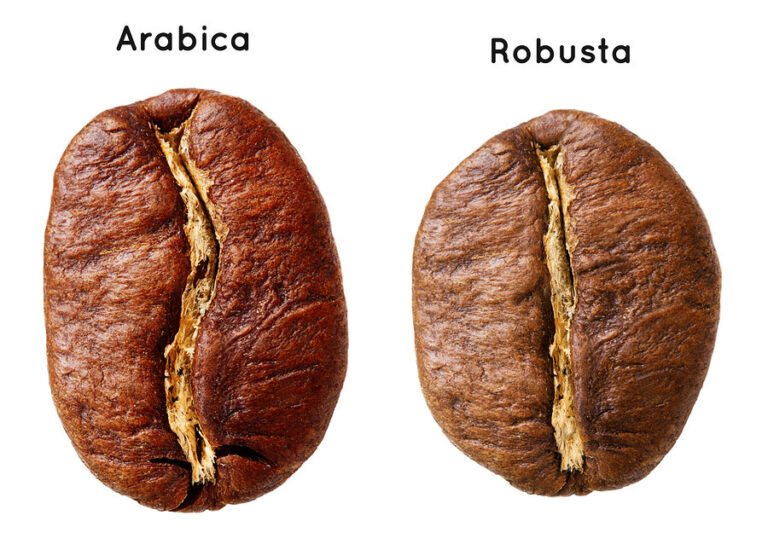
There’s no consistent evidence that peaberry beans contain significantly more caffeine than flat beans from the same plant. Caffeine content in coffee is primarily determined by the species (Arabica vs. Robusta), the variety, and the roast level — not the bean shape. Robusta varieties contain roughly double the caffeine of Arabica regardless of whether they’re peaberry or flat. Within a specific Arabica crop, any difference in caffeine between peaberry and flat beans would be minimal and within normal variation.
Why are peaberry beans more expensive?
Three reasons: rarity (5-10% of a harvest), labor cost (they must be sorted out by hand or by specialized sorting machines, adding processing cost), and marketing (the scarcity story commands a premium in the specialty market). Whether the price premium is proportional to flavor improvement is debatable, but the additional processing cost is real and not trivial.
How do I know if I’m getting real Tanzania peaberry?
Look for: a specific region or growing area within Tanzania (Kilimanjaro, Mbeya, or Arusha regions are the most reputable), a named mill or cooperative where possible, a roast date within the last 4-6 weeks, and a price point that reflects reality ($16-25 for 12oz from a quality specialty roaster). If someone’s selling “Tanzania Peaberry” for $8, the quality likely doesn’t match the label.
Can I roast peaberry beans at home?
Yes, and home roasting peaberry is actually one of the more rewarding experiences for home roasters because the uniform size makes heat distribution more predictable than mixed flat bean batches. Sweet Maria’s and other green coffee suppliers sell Tanzania, Kenya, and other peaberry green beans. The round shape means they’ll tumble more freely in a drum or air roaster — watch first crack closely as they may reach it slightly faster than equivalent flat beans.
Final Thoughts
Peaberry coffee is one of those things in the specialty world that’s simultaneously a genuine quality product and a partially myth-inflated one. The separation process is real, the roasting consistency benefit is real, and a good Tanzania Peaberry genuinely is an exceptional cup. But “peaberry” as a label alone doesn’t guarantee anything — the origin and roaster behind it matter far more than the bean shape.
If you’ve never tried one, a 12oz bag of a reputable Tanzania Peaberry is worth the experiment. If you have tried one and found it unremarkable, you may have been sold a label more than a product.